
According to the National Institute on Alcohol Abuse and Alcoholism (NIAAA), 2.9 million people ages 12 to 20 binge drank in the past month in 2024. Adolescence is an important period for brain development, and underage drinking during this time can lead to several changes in the brain that impact cognition and mental health [1].
Heavy drinking during the teen years also increases the risk of reckless or dangerous behaviors such as drunk driving or unprotected sex. Although underage drinking is not something new to this generation, and has been going on for decades among youth—current research on how alcohol affects brain development is now more present than ever.
Read on to understand the rates of alcohol use in youth, how it affects the brain, and strategies to prevent underage drinking.
The Rates of Underage Drinking
Many people have their first experience with alcohol in their teens. According to the National Survey on Drug Use and Health, 12.7 million youth ages 12 to 20 (32.9% of that age group) reported drinking alcohol at least once in their lifetime in 2024. Underage drinking has declined over recent decades, but the numbers remain high [4].
Although teens tend to drink alcohol less often than adults, they tend to consume more when they do. This is known as “binge drinking” and is defined as drinking enough to reach a blood alcohol concentration of 0.08%, about 4+ drinks for women or 5+ drinks for men in about 2 hours. Teens get there faster: NIAAA notes that as few as three drinks can do it for adolescent girls, and three to five for adolescent boys [1].
About 7.6% of people ages 12 to 20 (2.9 million) reported binge drinking in the past month in 2024 [4]. Binge drinking can be particularly dangerous, causing serious side effects such as memory loss, blackouts, and in severe cases, seizures or loss of consciousness [2].
How Does Alcohol Affect The Developing Brain?
The teen brain is quickly able to change and adapt in response to their experiences, this is known as brain or neuroplasticity. An increase in brain plasticity can help teens develop the skills for independence. However, it can also make them more vulnerable to the negative effects of alcohol. Research shows that excessive drinking can decrease neuroplasticity and make it harder to learn or retain new information [3].
Alcohol also affects the frontal lobe, which includes brain regions responsible for executive functioning and decision-making. Research links these effects to alcohol-related behaviors such as drinking and driving, unprotected sex, or abusing other substances [3].
Disruption of the frontal lobe causes other cognitive deficits such as memory loss, trouble focusing, or problem-solving. These impact several areas of a teen’s life, such as strained relationships, mental health problems, and a decrease in academic performance.
As with any drug, alcohol has the potential to become addictive. Substance use affects the pleasure-reward system of the brain, known as the basal ganglia. The basal ganglia work hand in hand with the neurotransmitter dopamine, responsible for pleasure, motivation, and building habits or routines [3].
Lastly, underage drinking also affects the cerebellum. This small structure is responsible for motor skills and coordination. This is often why drinking can make people lose their balance and lower their reaction time.
The Impact of Alcohol on Mental Health
Alcohol is a depressant that slows down the central nervous system by releasing the neurotransmitter GABA, often used in anti-anxiety medications like benzodiazepines.
Teens may feel stress or anxiety relief from this, especially in social settings. While this may offer short-term relief, as soon as the alcohol leaves the system, it can trigger feelings of anxiety that one would experience during a hangover or withdrawal from alcohol [3].
For teens with depression, bipolar, or another mood disorder, drinking alcohol can trigger manic or depressive episodes by disrupting brain regions that manage emotional regulation and impulse control.
How to Prevent Underage Drinking
It’s important for parents to provide teens with education, resources, and support to prevent underage drinking. Below are some helpful prevention strategies.
- Have conversations about alcohol, drugs, and other taboo topics. This can help create an open line of communication and build trust with your teen.
- Explain to them the risks of how underage drinking can damage their mental health. Don’t use scare tactics; instead show them studies or resources explaining how drinking can increase their risk of depression, anxiety, and other mental health challenges.
- Make sure you know their friends, who they spend time with, and where they are going.
- Set boundaries around underage drinking and explain to them what the rules and consequences are.
- Keep alcohol stored in a secure, safe place where your teen doesn’t have easy access to it such as in a locked liquor cabinet.
- Set an example. Teens notice how adults use alcohol, so avoid drinking to cope with stress, never drink and drive, and consider keeping an alcohol-free home.
- Encourage them to get involved in sports, the arts, or another extracurricular activity.
- Help them cope with stress positively. Ideas include meditation, journaling, yoga, dance, deep breathing, or getting outside.
- Reach out for professional help if you believe your teen is struggling with an alcohol abuse problem.
Knowing why teens drink makes these conversations easier. Our guide to the most common reasons teens drink covers peer pressure, stress and curiosity, and how to respond to each.
Teenage Alcohol Treatment in Florida
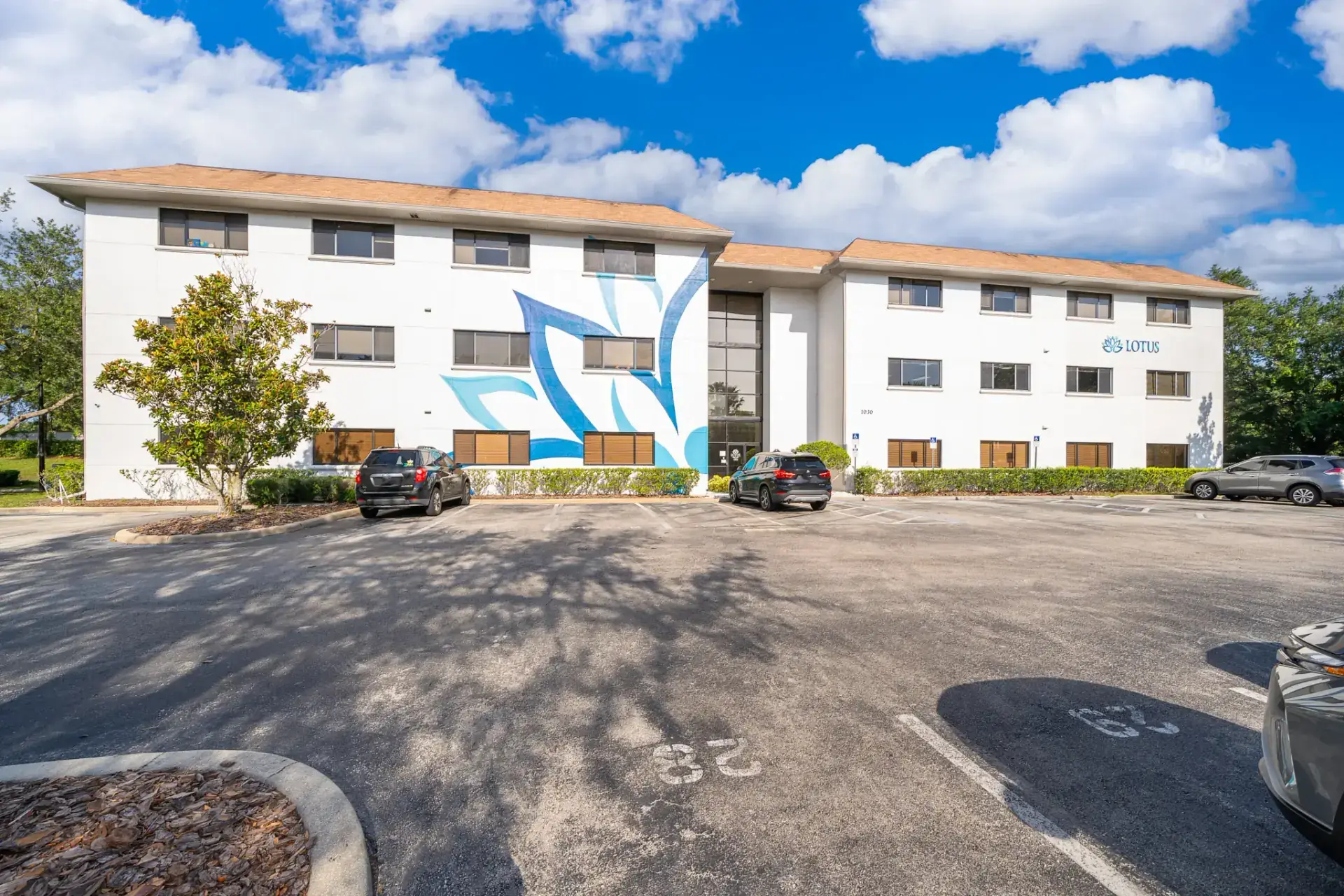
Lotus Behavioral Health is a residential treatment facility for teens located in Florida. Our programs are designed to support teens and their families with the tools they need to recover from alcohol abuse & co-occurring mental health disorders.
Our facility offers several levels of care, including residential treatment, partial hospitalization, and intensive outpatient services, to meet the needs of teens and their families at all stages of recovery.
Sources
[1] Alcohol and The Adolescent Brain. 2024. National Institute on Alcohol Abuse and Alcoholism.
[2] Alcohols Effect on Health: Binge Drinking. 2025. National Institute on Alcohol Abuse and Alcoholism.
[3] Effect of alcohol use on the adolescent brain and behavior. 2020. National Library of Medicine.
[4] Underage Drinking in the United States (ages 12 to 20). 2025. National Institute on Alcohol Abuse and Alcoholism.

Dr. Robert Watkins III, MD · Medical Director
Dr. Watkins is the Medical Director at Lotus. He guides the medical side of care and supports our providers when they need his clinical input.
Read more