
Teen treatment in Winter Springs, near Orlando

Talk to admissions:(321) 220-3631Verify insurance Donate

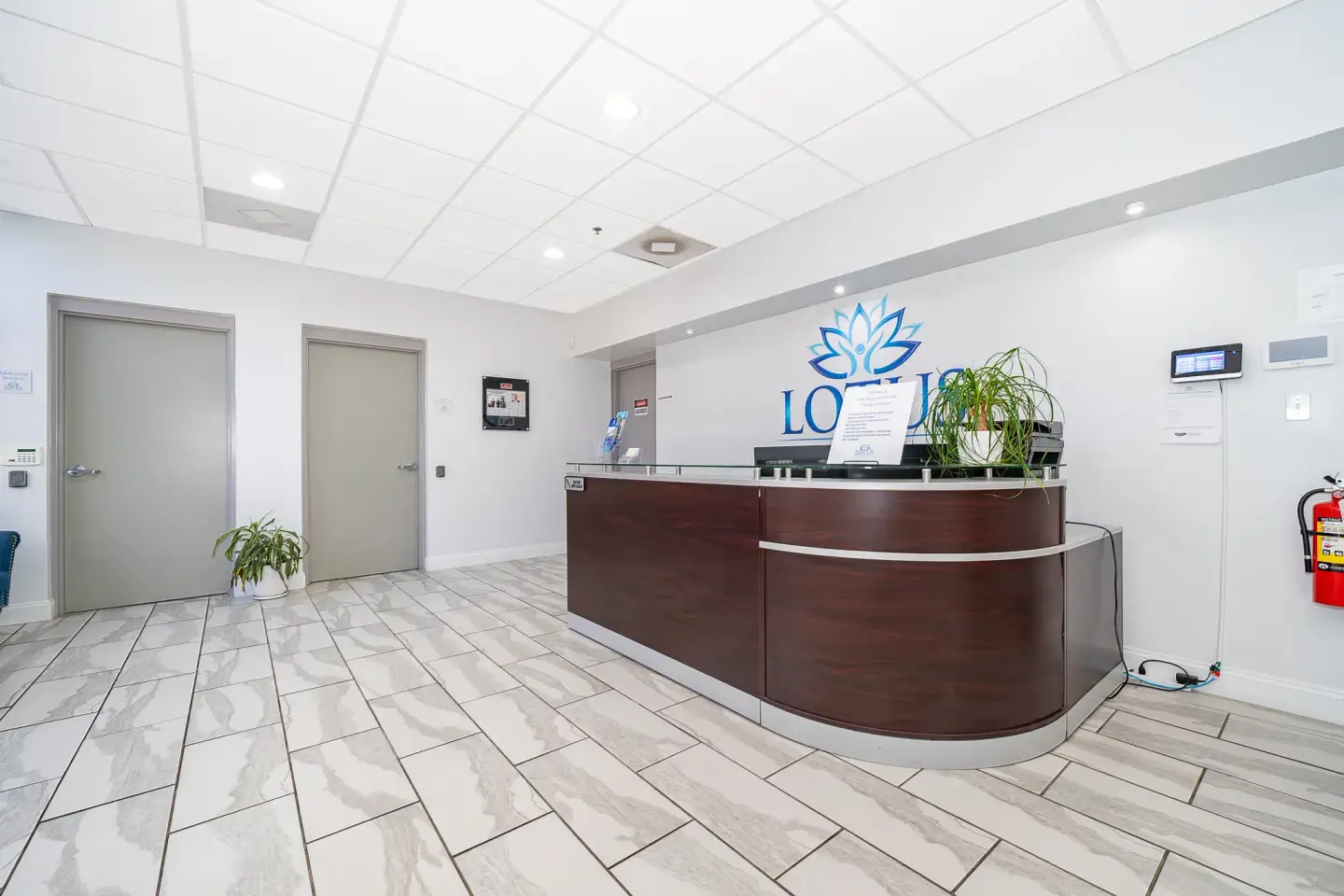
Front desk and lobby where families arrive at Lotus

Kratom Addiction Information for Teens in Florida

Kratom is sold legally in many places, but it can be addictive, especially for teens. If your teen is using kratom or 7-OH products, we can help.

HIPAA compliant

Talk to an Admissions Specialist

Or call us at (321) 220-3631. Everything you share is confidential.

What is Kratom?

Kratom is a substance that’s derived from a tree found in Southeast Asia. Kratom leaves have mind-altering or psychotropic effects, according to the National Institute on Drug Abuse. Kratom isn’t illegal currently, but people can purchase the drug with ease. Kratom can be taken in various ways.

Some people use kratom in tea-form while others take it as a pill or extract. It’s also possible to chew or smoke the leaves. There is debate surrounding the use of kratom, its legality and its potential risks.

So, what does kratom do? Kratom has demonstrated effects similar to that of stimulants and opioids. There are certain compounds found in kratom that interact with the central nervous system’s opioid receptors. When someone uses kratom, that person might experience pleasure or euphoria, sedation, relaxation and reduced pain. The opioid-like effects have a greater impact on the person when kratom is used in large doses. It’s also possible for compounds of kratom to create a more stimulant-like effect on the brain. This is especially true when the drug is used in small doses. When someone takes a small amount of kratom, they may experience an increase in energy levels, more sociability and increased alertness.

Since kratom isn’t regulated in the United States currently, at least at the federal level, the drug is often marketed as an herbal supplement. It is sometimes touted as being a replacement for people who are addicted to opioids, as a natural pain reliever and as a mood enhancer or anxiety reliever.

The kratom plant has long been used by people in Southeast Asia, although it’s relatively new in terms of being used in the United States and other Western countries. People in Southeast Asia often relied on kratom to help them work longer and harder. Now, in some countries where kratom is a native plant, use of the drug is banned.

Get the Care You Need

Let us help you.

In February 2018, the U.S. Food and Drug Administration (FDA) published a memo stating there hasn’t been reliable scientific information published that supports the medical use of kratom. The FDA also said that kratom shouldn’t be used as a prescription opioid alternative or to treat opioid withdrawal symptoms. In 2016, the Drug Enforcement Administration (DEA) published a notice indicating they were going to put kratom on their Schedule I list, which is the most restrictive classification of the Controlled Substances Act. While this move didn’t end up occurring due largely to public outcry, many states have decided to ban kratom.

Some of the physical side effects of using kratom include:

  • Nausea
  • Itching
  • Dry mouth
  • Seating
  • Constipation
  • Loss of appetite
  • Seizures
  • Hallucinations

Additionally, there were warnings issued by the FDA in 2017 regarding kratom’s potential to cause an overdose. There are 44 deaths that the FDA is attributing to being related to kratom use. However, most of these deaths are because people used kratom with other substances mixed in, or they combined their use of kratom with use of other substances, like alcohol or benzodiazepines.

Is Kratom Addictive?

There is debate as to whether or not kratom is addictive. The DEA describes kratom as having a high abuse potential and no currently accepted or approved medical uses. Along with possibly being psychologically addictive, kratom can lead to physical dependence. If someone is dependent on kratom and they stop using it, they may experience withdrawal symptoms. Kratom withdrawal symptoms can include:

  • Aches and pains
  • Irritability and hostility
  • Insomnia
  • Aggression
  • Mood and emotional changes
  • Runny nose

Current research shows that the physical, mental and addictive risks of kratom are higher when people take concentrated extracts or mix the drug with other psychoactive substances. Using kratom can also be riskier for people with a history of alcohol abuse problems, a history of heroin abuse or underlying physical health conditions.

Kratom Addiction Statistics

Currently, it’s very difficult to find any verifiable kratom addiction statistics. This is for a few different reasons. First, there’s limited standardized and controlled research looking at kratom and its effects. It’s also a challenge to determine if someone is truly addicted to kratom based on antidotal information. However, because of the way kratom affects certain receptors in the brain, it is possible that kratom is an addictive substance. In February 2018, the FDA reiterated their belief that kratom has a potential for abuse, addiction and serious health consequences.

The best advice regarding kratom is to be cautious with its use. Unregulated herbal supplements do have the potential to be addictive and lead to physical dependence. Kratom, since it’s not currently regulated, can also have different additives and ingredients that can be dangerous. Self-medicating with anything that’s not well-researched or standardized can be harmful, even deadly.


Kratom and 7-OH Use in Teens

Newer kratom products are far more concentrated than the leaf, and some are sold as 7-OH (7-hydroxymitragynine), a compound with stronger opioid-like effects. They come as tablets, shots and gummies in smoke shops, gas stations and online.

Watch for these products among your teen's things, and for drowsiness, mood changes or withdrawal symptoms when they stop.

How Lotus Helps Teens With Kratom Addiction

Lotus treats kratom use in teens ages 12–17 in residential, PHP and IOP, with weekly family therapy, and school keeps going during treatment.

Insurance Can Cover Teen Kratom Addiction Treatment

Most commercial plans, including UnitedHealthcare/Optum, Aetna, Cigna and TRICARE, cover treatment for teen kratom use. We'll check your benefits.

  • UnitedHealthcare
  • Optum
  • Aetna
  • Cigna
  • TRICARE

What Families Say About Teen Treatment at Lotus

Google Reviews
  • Bo M.

    This was the last rehab facility I ever attended after going in and out of treatment centers since I was around 15 years old. Out of all the facilities I've experienced, Lotus was by far the best when it came to providing genuine care, effective treatment, and a true understanding of what individuals are going through. The staff treated me with respect, compassion, and professionalism, and they created an environment where real healing and growth could take place. The support I received helped me gain the tools and perspective I needed to move forward in my life. I would highly recommend Lotus to any parent whose child is struggling with addiction or other serious challenges. If you're looking for a facility that truly cares about its clients and is committed to helping them succeed, Lotus is a place worth considering.

  • Clint B.

    Lotus Behavioral Health is an excellent treatment center if you have a teen struggling with addiction. Instead of seeing this as a setback or obstacle, LBH turns this issue into an opportunity to educate our teens on the dangers of addiction and how to become better, responsible people. My son returned a changed and improved young man. He was open to the program, which is important if you want this to succeed.

  • Dorothy S.

    I cannot find the words to express how wonderful Lotus Behavioral Health was for my child. We had tried other programs without success. Then, we were referred to Lotus and from the moment we arrived, I was moved by the amount of compassion and caring that the staff had for us as a family. It took some time and work to get to a point of recovery, it was worth it. If you ever find yourself needing these kinds of services, don't waste any more time. The staff at Lotus is amazing and will work with you to help your child. I cannot thank them enough for getting us through a really rough time.

  • Kiki C.

    Lotus provided wrap around treatment and acceptance for my teen when I was not able to help him at home. We are so grateful for the progress he made while he was there. He can be a handful, and they approached his individual needs with care and compassion in a safe environment. By the time my teen was discharged, he truly cared for each and every one of the staff and leaving was bittersweet.

  • Lenna C.

    I'm so incredibly grateful for Lotus Behavioral Health. The staff was truly amazing—caring, supportive, and professional every step of the way. The group therapy sessions were not only helpful, but also enjoyable for her , creating a space where she felt safe, heard, and understood. The other kids were kind and encouraging, and the therapists were outstanding—compassionate, skilled, and truly invested in each teen's growth. I'm beyond happy with the progress and commitment my teen has shown since starting there. She has grown into a stronger, more self-aware, and confident individual. Thank you, Lotus, for helping my teen become the best version of herself:)

  • Susie Q.

    What a wonderful experience! Thank you to the caring people of Lotus for loving our family through a tough time. Every single staffer interacted with our teen in a fashion that helped him think about things differently. Every. Single. Person. Our teen loved the experience there. We could not recommend this facility highly enough. Thank you, Lotus.

Teen Treatment in Winter Springs, Near Orlando

Winter Springs, near Orlando. Families come from across Florida and beyond.

  • Lotus Behavioral Health Teen Treatment Center
    1030 Spring Villas Point
    Winter Springs, FL 32708
  • (321) 220-3631
  • Monday – Sunday, 24-hour service
Get directions

Questions Parents Ask About Teen Kratom Addiction Treatment

Is kratom addictive for teens?

Yes. Regular use can lead to dependence and withdrawal.

What is 7-OH, and is it stronger than kratom?

Yes, it's stronger. 7-OH is a concentrated compound related to kratom with stronger opioid-like effects, which raises the risk of dependence.

Where are teens getting kratom?

In many places it's sold in smoke shops, gas stations and online, as powders, capsules, drinks, tablets, shots and gummies.

Does Lotus treat teens for kratom addiction?

Yes. We treat teens 12 to 17 in residential, PHP and IOP, with weekly family therapy.

Does insurance cover kratom addiction treatment for teens?

Yes. Most commercial plans and TRICARE cover it. Call and we'll verify your benefits for free.

HIPAA compliant

Talk to an Admissions Specialist

Or call us at (321) 220-3631. Everything you share is confidential.

Get Help for Teen Kratom Addiction Today

Talk with our admissions team today. We'll check your insurance and help you find the right level of care.